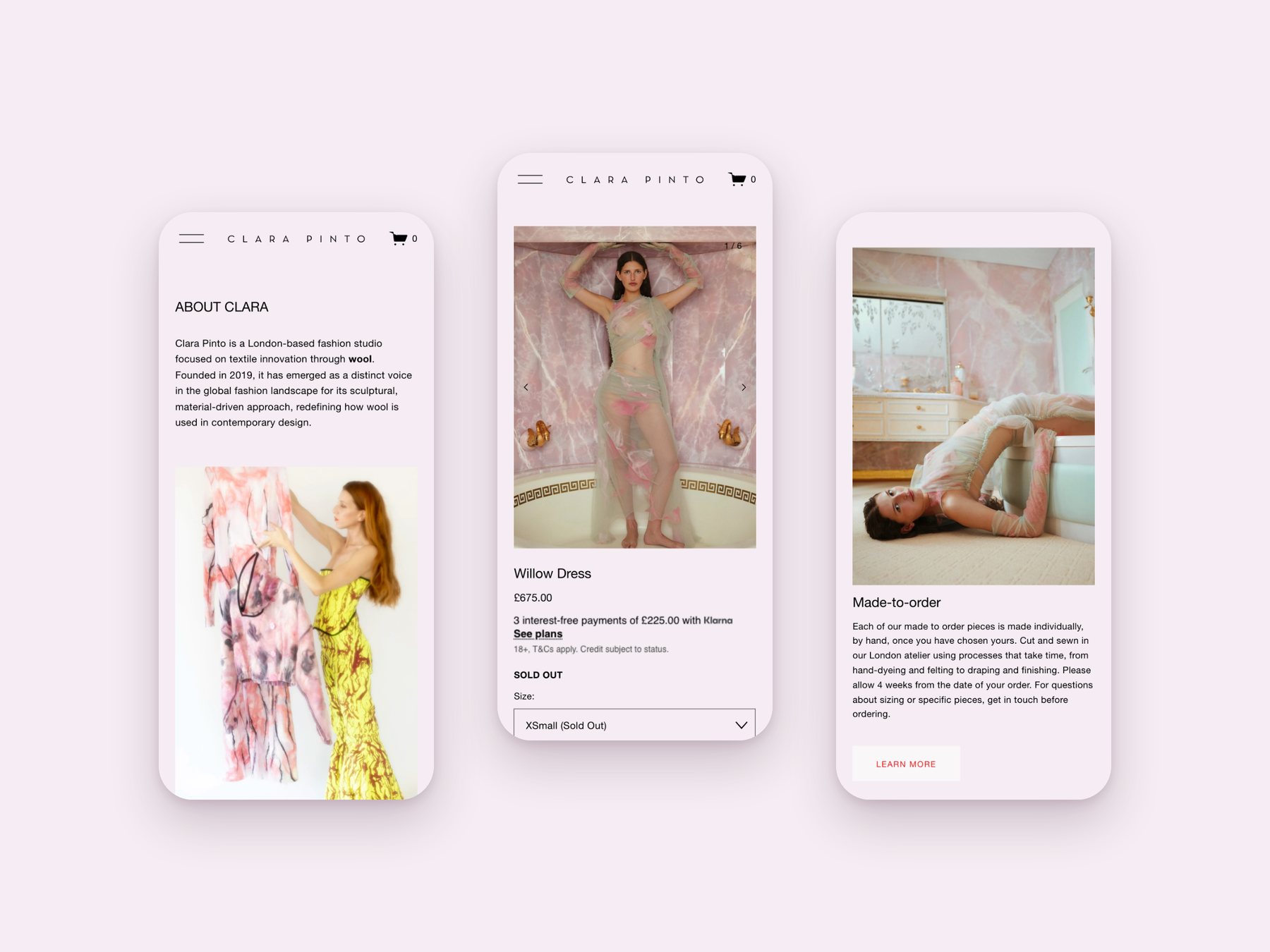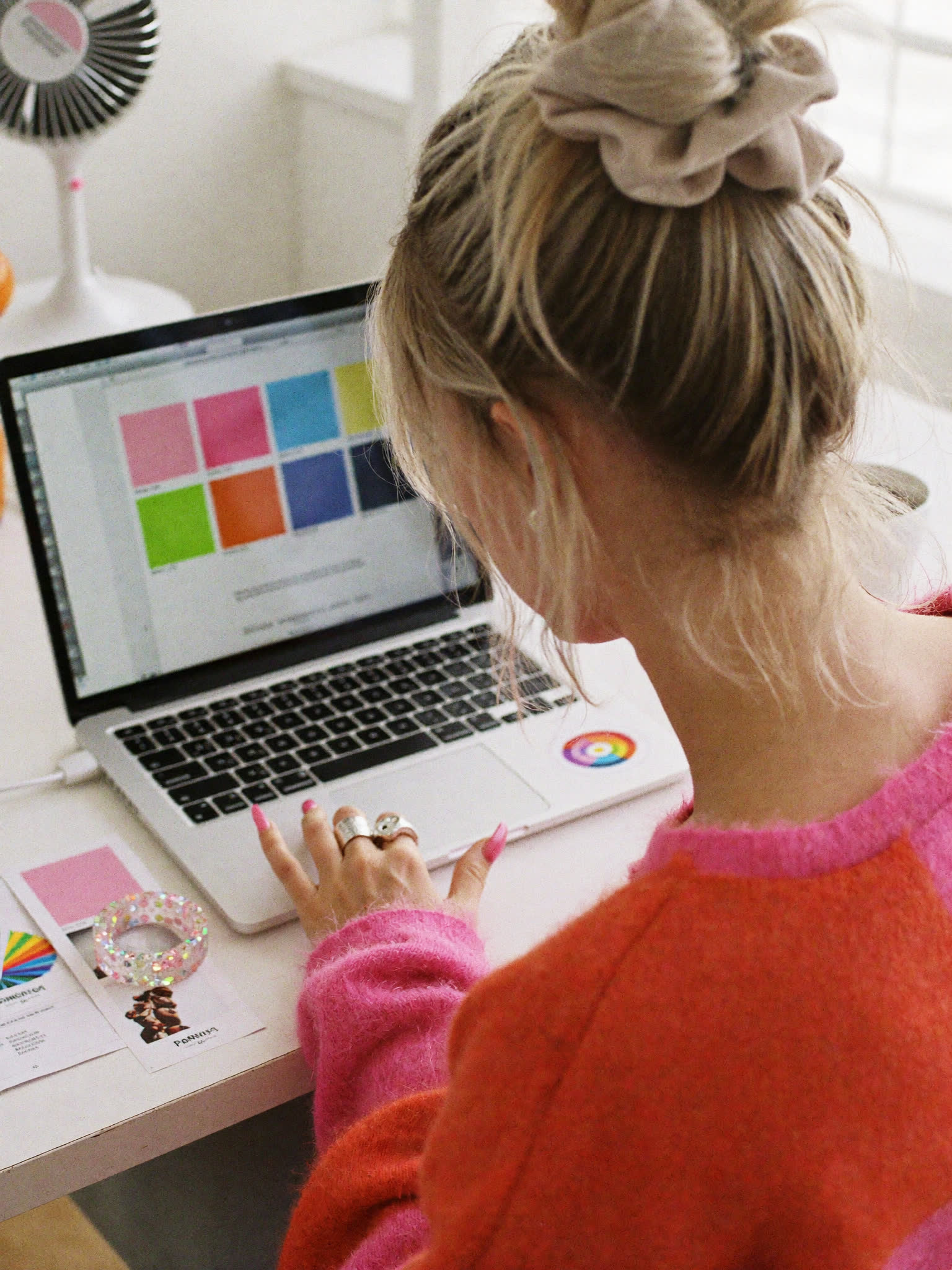
A logo is the mark. A brand identity is the mark plus the type, colour, layout, image direction and rules that hold them together. If the logo only has to sit on a sign or an invoice, a logo can be enough. If you will have a website, social feed, decks or packaging, you need the system, or the brand drifts the moment it leaves the original file.
What is the difference between a logo and a brand identity?
A logo is a mark: a symbol, a wordmark or both. It is how people recognise you at a glance, at the top of an invoice, on a shopfront, in a browser tab.
What a logo does not do is tell anyone how the rest of your business should look. It does not choose the typeface for your website, the colour of a button, the way a photograph is cropped or how a slide is laid out. Somebody still makes all of those decisions. Without an identity, they make them differently every time.
What does a brand identity include?
The exact contents vary with the business, but a working identity covers four things:
- A mark that works at every size. From a browser tab to a banner, in full colour and in one colour, so nothing has to be redrawn or approximated later.
- Type, colour and layout as a system. Rules, not suggestions, so a poster, a deck and a phone screen read as the same company.
- Image direction. How photography and graphics should look, so they do not undo the rest of it.
- Guidelines and a brand pack. The written rules and the files, ready for whoever applies the brand next.
That last one is the difference between a brand that holds and one that drifts within six months.
When is a logo on its own enough?
Not every business needs the full system on day one. A logo can be the right buy if:
- You are testing an idea and have not committed to it yet
- The brand only really appears in one or two places, such as a sign and an invoice
- You are a sole trader whose name and reputation do most of the work
Smaller jobs like this are worth doing properly, and they are always welcome in my studio. Just be clear it is a starting point. When the business grows into a website, social and print, the system will need building around the mark.
A logo on its own rarely survives contact with a website, a deck and a social feed.
How do you know you need the full system?
- Your logo is fine, but everything around it looks like it came from a different company
- Different people make your materials, and none of them match
- You are launching and need to look established from the first meeting
- You have merged, renamed or changed what you sell
- Nobody has ever written the rules down
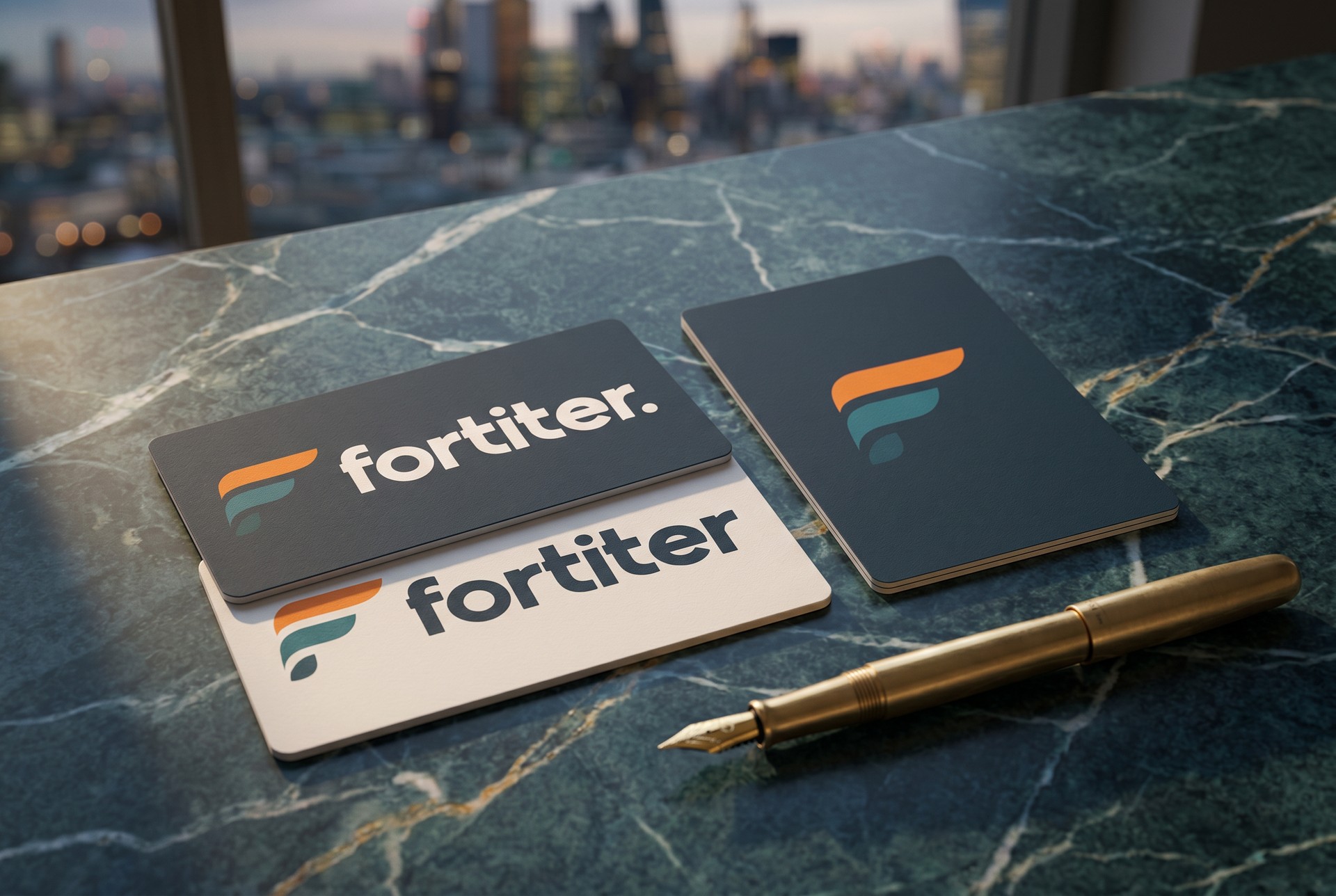
Two examples from my own work. Fortiter was a one-person legal consultancy that had to read as established from its first day, so the identity came with letterhead, presentation templates and a versioned brand pack the founder could use himself. OnLogistics had merged with another company and needed one identity for customers, drivers and staff, with versions of the logo made for the side of a lorry, workwear and social profiles, all written up as guidelines the team can hand to a signwriter.
Should you refresh your brand or start again?
If people already recognise your mark, keep it if you can. Recognition takes years to build and seconds to throw away. A refresh can tidy the mark and build the missing system around it, which is a smaller piece of work than a full rebuild.
Start again when the name has changed, when the business has changed shape, or when the current mark cannot be made to work at small sizes or in one colour.
What should you get at the end?
Whatever you buy, ask for these in writing before you start:
- The logo in every version you will need: full colour, one colour, reversed, and a small-size mark
- Files for print and for screen, so you are never asked for a "better version" you do not have
- Your colours and typefaces, written down with the values a printer or developer needs
- Guidelines, even short ones, showing how the pieces go together
- Clear ownership of the files once the work is paid for
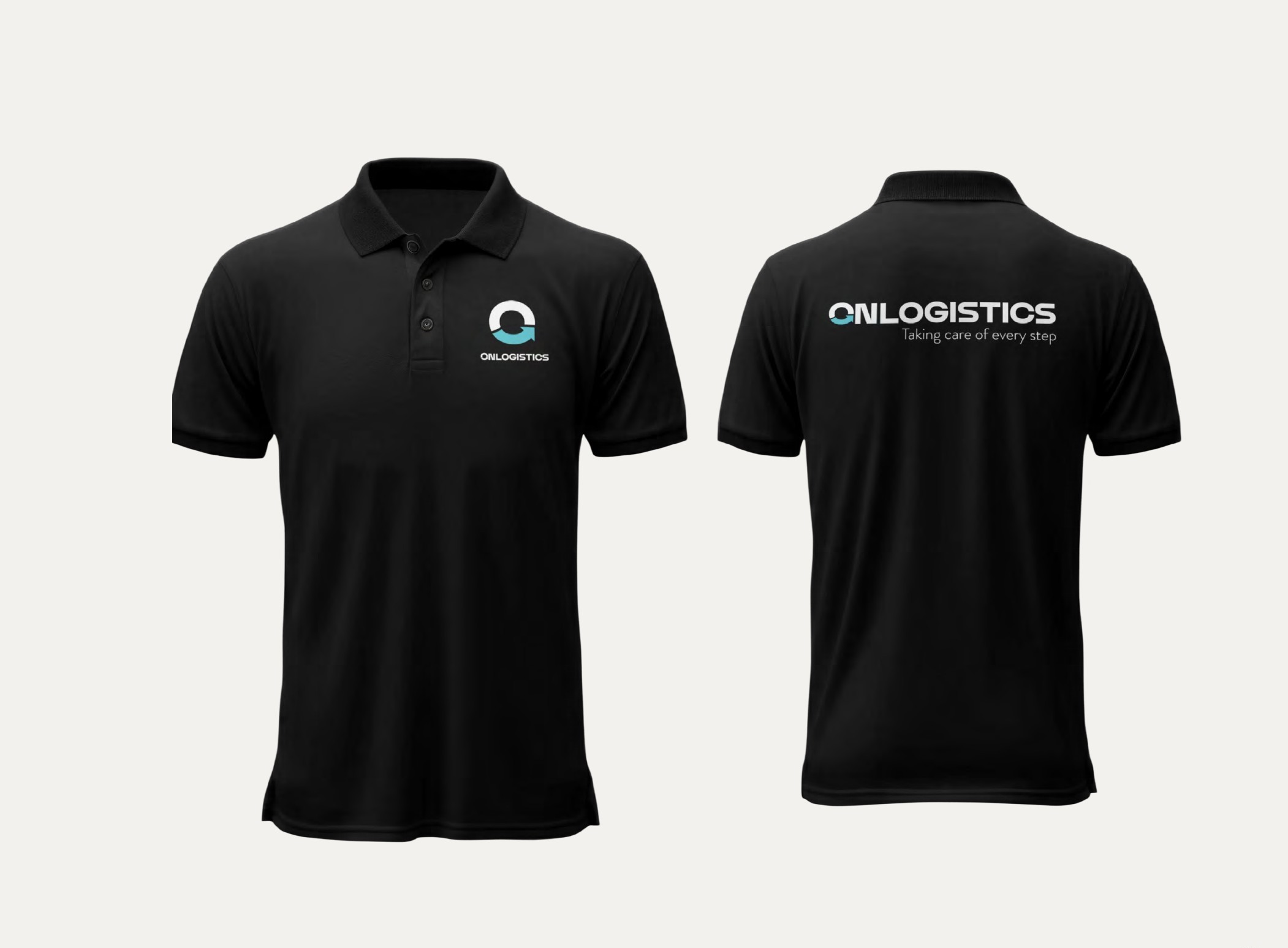 From the workOnLogisticsBrand identity, a logo suite, guidelines and website design for a UK fulfilment and logistics company.
Questions people also ask
Is a logo the same as a brand identity?
No. A logo is one asset. A brand identity is the system around it: type, colour, layout, image direction and the rules that hold it together wherever it gets used.
Can you refresh a brand rather than start again?
Often, yes. Not every brand needs starting from scratch. Sometimes the mark is fine and what is missing is everything around it, which is a smaller piece of work than a full rebuild.
Who owns the files at the end?
You should. In my projects the identity and the files are yours once the work is paid for. If a designer’s terms say otherwise, ask why before you sign.
Should the brand and the website be done together?
Usually, yes. The identity and the site agree with each other when they are made at the same time, and it is quoted as one project rather than two.

Sophie is an independent designer based in the UK and the founder of S Evans Design, working across brand, web and product for founders and brand teams. Her career work includes projects for Arsenal, DreamWorks, BBC, Sky, Channel 4, Barclays and the NHS, and she is a Squarespace Circle Gold partner. More about Sophie.